

After limping through the exodus of restaurant workers during the pandemic, wine directors are reporting signs of optimism when it comes to hiring and retaining front-of-house staff. “We haven’t had a lot of turnover lately, and we’ve invested time in our newer hires, so things have settled down,” says James Conley of Keens in NYC. “Steakhouses will always attract waitstaff and floorstaff because they know tips will be higher.”
At Clay, also in NYC, Gabriela Davogustto has seen a shift as well. “Things have started to change a bit with hiring. Every time I posted an ad for staff in 2021, people would reply but by the time they were supposed to come for the interview, they wouldn’t come. But when I just posted last month, I had like 35 people respond. That gives you an opportunity to choose from a larger pool of candidates, instead of being in emergency mode and having to hire people who may have had no experience and require a lot more training.”
In our interviews last year, especially with wine directors in urban areas, a common thread was that many of the best people had left the industry for more stable jobs or moved to a different area of the country. That shift required managers to hire less experienced people, but in some cases there was a silver lining, as Brent Kroll of Maxwell Park (DC) notes: “I used to have a lot of career restaurant people, and I was really averse to hiring part-time. Now almost my entire staff is part-time; I have a slightly larger staff, but they’re really highly skilled people who work a nine-to-five job, and they just want to do a few service shifts a week. I’m getting people who work for the government, or lawyers or lobbyists, and the level of intelligence is higher than ever. I would say my staff now is the best it’s been. They’re all really bought-in, they’re studying wine and are really into it.”

“I’d say it took up until about six months ago from when COVID started to really get our culture back.” —Brent Kroll, Maxwell Park (DC)
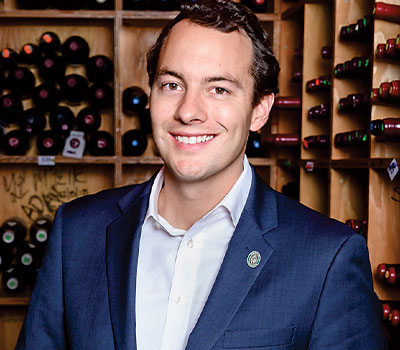
“We’re back to fully staffed, which is really nice. It was close this year. We were sweating down to the end.” —Chris Dunaway, The Little Nell (Aspen, CO)
Still, less-experienced servers mean that restaurants need to put more resources into training, especially with the trend toward more educated and wine-curious guests. “We had more guests coming in asking for special wines,” says Rebecca Banks of Balthazar (NYC). “We needed someone who could talk about those wines more confidently.” Tonya Pitts at One Market (SF) sees this as an opportunity: “I think that wine drinkers have been in discovery mode since the pandemic, and that opens the door for people. It’s been really good for me, because even though my staff is smaller now, we’re still tasting wine every day. It keeps it exciting for the staff, which translates out onto the dining room floor.”
That combination of new blood and intensive training is starting to pay off at places like Mateo Bar de Tapas (Durham, NC), according to Eric Harris: “I think that we have an excited staff, we have a young staff, and there’s not a ton of wine background there. So, it’s kind of like painting on a blank canvas. As long as you convey excitement, and give them the tools to sell the wines, the staff is getting behind pretty much anything we’re opening at pre-shift or in our classes, regardless of what it is. And I think that our audience now is very receptive to that.”

is the Italian wine editor at Wine & Spirits magazine.
This story appears in the print issue of Spring 2023.
Like what you read? Subscribe today.