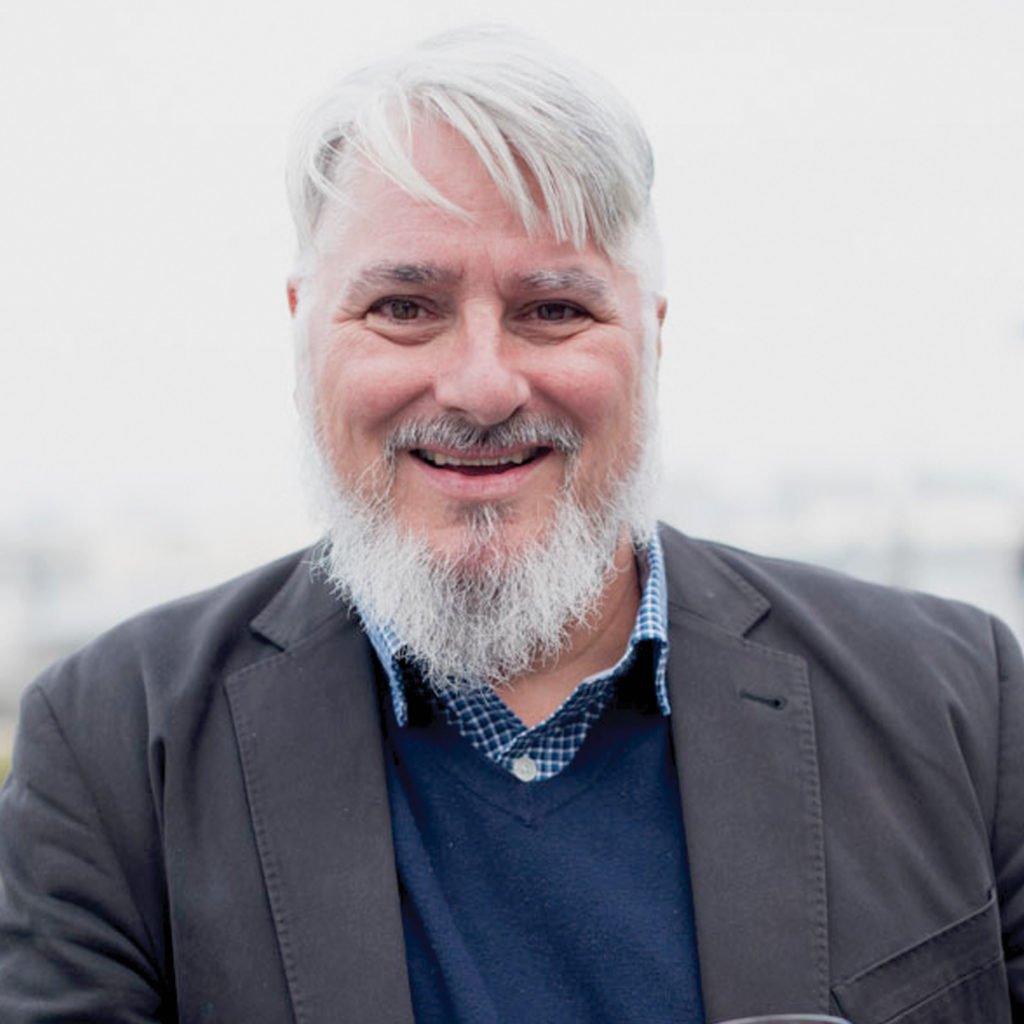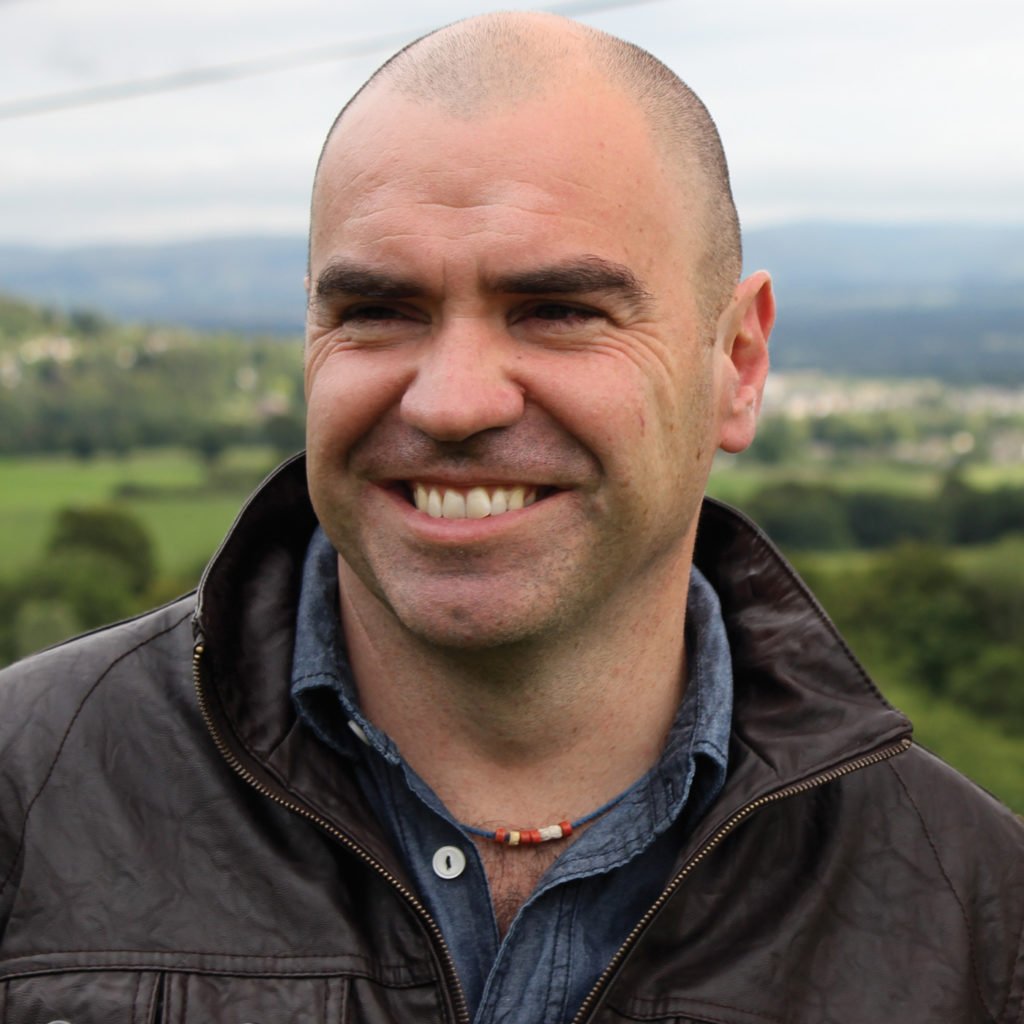
António Agrellos is boyish despite his head of gray hair. The steep terraces at Quinta do Noval in Portugal’s Douro Valley have kept him fi t over the past 25 years and though he’s been a corporate man, since AXA Millésimes purchased Noval in 1993, he’s retained the insistent free will of a sixties rebel—the sense of security in his own way. Back in the 1960s, before he got into winemaking, he and his school friend, João Nicolau de Almeida (today managing director of Ramos Pinto), had formed a band to cover Beatles, Rolling Stones and Dylan songs. The band, Nomades, played every weekend at clubs and fiestas, introducing British and American music to the Portuguese.
2011 Porto The First Postmodern Vintage
António Agrellos is boyish despite his head of gray hair. The steep terraces at Quinta do Noval in Portugal’s Douro Valley have kept him fit over the past 25 years and though he’s been a corporate man, since AXA Millésimes purchased Noval in 1993, he’s retained the insistent free will of a sixties rebel—the sense of security in his own way. Back in the 1960s, before he got into winemaking, he and his school friend, João Nicolau de Almeida (today managing director of Ramos Pinto), had formed a band to cover Beatles, Rolling Stones and Dylan songs. The band, Nomades, played every weekend at clubs and fiestas, introducing British and American music to the Portuguese.
 “If it rains before picking, Nacional is destroyed. In 2011, we had sunshine and hot temperatures from the beginning of September on. Nacional was singing because there had been no problems.” —António Agrellos, Quinta do Noval
Wine growers and enologists around the Douro all have their own memories of the 2011 vintage. This moment became my own indelible memory. The 240-degree view of the Douro through the tasting room windows, the youthful energy of the wine and the sense that I was standing with the spirit of the place, the genie-in-the-bottle effect of something more than mere liquid.
 “I was at Vesuvio in late August when the rain finally came. It was a steady rain—as opposed to a downpour—just enough to keep things ticking.” —Charles Symington, Symington Family Estates
“A small vineyard depends on the year,” Agrellos said, sharing his recollection of the vintage. “In 2011, we had a very rainy winter that filled the reserves in the soil,” he said. “Spring was so-so; no problem. Then it didn’t rain for three or four months. The summer was not too hot and the vines continued to grow because of the winter rains, but at a certain point, we knew we would need water; otherwise, the maturation would not happen. Then the 26th, 27th of August it rained, a good rain, and maturation took its course. It rained again at the beginning of September and we waited to let the vineyards benefit from the water; the grape skins would become thinner, so it’s easier to extract the tannins.”
The Nacional vineyard usually ripens at the end of September or beginning of October, so Agrellos spent the next weeks hoping for good weather. “If it rains before picking, Nacional is destroyed,” he continued. “In 2011, we had sunshine and hot temperatures. Nacional was singing because there had been no problems.”
Nacional isn’t the only standout in 2011; there are several remarkable 2011s from parcels of old vines, including Vargellas Vinhas Velhas from Taylor Fladgate’s property in the Douro Superior, as well as Niepoort, which is a selection of old-vine mixed plantings. Given the harvest conditions, it is not surprising that these traditional wines should be great. As Dirk Niepoort told me, the yields were generally low, giving concentrated, rich wines. “During harvest, it was warm but never hot; the wines have power but no overripeness or pruny character.” Niepoort works to harvest early, and he commented that the levels of natural acidity were notably high that year.
What’s striking about 2011, however, runs deeper than the roots of the old vines. The benign weather combined with significant philosophical changes in the way Port wine is grown, which have, in turn, changed the structure of the cellars where it is made, allowing producers to declare a vintage that may be as great as 1963 or 1955. But 2011 presents that greatness on its own terms.
As Nicolau de Almeida had mentioned over lunch at Romaneira, 2011 is a turning point when a lot of change came together to the benefit of Vintage Port. “Before, it was bottle age that made Vintage Port drinkable,” he said, pointing out how accessible the 2011s already had become. And though he believes the season contributed to this combination of accessibility and long aging potential, he says it is not only the year. “We can choose the varieties for the blend; we know much more about controlling fermentation; and the brandy we choose for the top categories is much better. The brandy we used before was more aggressive, more difficult; the brandy we use now is rounder.” In 2011, all of the elements that had made Vintage Port self-consciously modern reemerged in a new configuration. With more respect for a range of local varieties and the subtleties of how and where they should be planted, with co-fermentation of those varieties as a norm, that new configuration is not so far from the great old-vine blends of the past.
Like all of Europe’s historic terroirs, the Douro struggled to find its footing in the market after World War II. Great vintages including 1955, 1963, 1970 and 1977 hewed to a classical standard—powerful, long-lived wines from old-vine mixed plantings, foot-trodden in lagares—while the viticulture—and the culture—of the region underwent a radical change. By the early 1970s, multinationals had purchased many of the old names in Port, including Cockburn, Sandeman and Croft. Meanwhile, the culture of growers also changed, with many leaving the land for the cities. Family-run firms, like the Fladgate Partnership and the Symingtons, found themselves scrambling to purchase their own land and learn how to grow grapes. João Nicolau de Almeida, fresh out of enology school in Bordeaux, took on a research project with ADVID (Associação para o Desenvolvimento da Viticultura Duriense) to help create a selection of optimal vines out of the dozens of indigenous varieties in the Douro Valley; these eventually became the focus of extensive replanting throughout the region. Due largely to consolidation of the industry, with new players looking for the most “efficient” viticultural practice, the unfortunate result was that many of the new plantings left aside the complex mix of varieties, ignoring the contributions that each of these bits and pieces provided to the fermenting must. Large uniform blocks of touriga nacional, in particular, constituted a departure from historical viticultural practices.
 “The year contributes to the fact that we can drink 2011s earlier, but it is not only the year. Today, we can choose the varieties for the blend; we know much more about controlling fermentation; and the brandy we choose for the top Ports is less aggressive, much rounder.” —João Nicolau de Almeida, Ramos Pinto
As technical director for the Fladgate Partnership, Guimaraens feels a special affinity for this vineyard. John Fladgate owned it in the 19th century, but it was given away as part of his daughter’s dowry when she married a member of the Croft Port firm in 1875. The Fladgate Partnership “repurchased” Croft in 2001, and planning its renovation pushed Guimaraens to consider some of the disruptions here and elsewhere in the recent history of the region.
“In the 1970s, there was a reduction in the number of varieties. The plantings were done in blocks, but varieties were often mixed within those blocks. “In the 1980s, there was a fashion for single-variety winemaking; the blending was taking place in the tasting room…and there were several mistakes with that approach. To get enough material, you had to have large blocks of the same variety, which didn’t let you work with the shifts in the terroir. Plus, you were losing what were considered the minor grapes. The bottom was pulled up when we left out the lesser varieties; Port became more consistent in quality. But the top was pulled down as we became much more consistent.
“In the 1990s, we still had huge amounts of old vineyards, plus large single-block plantings that were old enough to get past the problems of young vineyards. Some people said the old vineyards were good just because they were old. And the Port from single blocks? It was massive but uninteresting and one-dimensional.
“In 2001, I took the conscious decision never again to do any single-variety winemaking. During harvest, every day, for all of our properties, António [Magalhaes, the head of viticulture] and I decide which lagars are filled with what combination of varieties and blocks.” They base those decisions on evaluations they have made through the season and in the weeks leading up to harvest.
Guimaraens is now a sworn advocate of co-fermentations, for the fixing of anthocyanins and of color, for the building of tannic structure and aromatic complexity that fermentations by individual variety cannot attain.
This emerging respect for the complexity that the “lesser” varieties contribute to the blends is one of the central factors that makes 2011 so astonishing. Previously, the lesser varieties were often put aside due to the viticultural challenges they present when grown on rootstock, or the difficulties they present in ripening. Some of those challenges were alleviated through research, finding the right soils and expositions for each tetchy variety, and some were relieved by the long ripening window of the 2011 season.
 “In the 1990s, the Port from single-varietal blocks was massive, but it was one-dimensional and uninteresting. In 2001, I took the conscious decision never again to do any single-variety winemaking.” —David Guimaraens, The Fladgate Partnership
Both brands are back in this vintage: The 2011 Cockburn’s is the first vintage made entirely under the direction of its new owners, the Symington family. And Sandeman is once again in family hands, now under the ownership of the Guedes family of Sogrape, where it benefits from the firm’s vineyard holdings at the Quinta do Seixo. Luís Sottomayor considers it the most robust of the Vintage Ports he makes for Sogrape, the wine he describes as most classical—anything but an early drinking style.
Perhaps the strongest example of a postmodern Vintage Port is Capela da Quinta do Vesuvio. Charles Symington, who made the Cockburn’s 2011, also made Capela, as well as all the others in his family’s collection of Ports including Graham, Dow and Warre. Like Guimaraens, he has been focused on managing separate small-lot co-fermentations, a process he’s been fine-tuning for the past fifteen years. “Throughout vintage, we’re producing a lagar a day at Malvedos and Vesuvio,” he told me during a recent visit to New York. “We have enough small tanks to keep all these wines separate for as long as we can so they can be evaluated. We have to join the wines together by the end of April the following year, which gives us six months to see.” After that, he might keep some lots separate to watch their evolution over time.
I had asked Symington about Capela de Vesuvio, a 2011 I’d tasted several times, and one that caused the same physical and emotional reaction as the Nacional when presented, blind, at our Vintage Port tasting in New York. When I had researched why this might be, I found that Capela, like Nacional, included a significant portion of sousão, one of the more ornery varieties of the Douro.
He told me that Capela was an experiment, blending two of the recommended Douro varieties—tourigas nacional and franca—and two varieties “that have been put aside,” sousão and alicante bouchet.
Alicante bouchet, which is popular in the Alentejo, is a French crossing that is not widely planted in the Douro. “We planted it at Vesuvio six or seven years ago, so the alicante for Capela was very young vine. I just wanted to plant some different varieties, tried alicante and it worked out really well,” Symington said.
“The alicante tends to ripen at the same time as touriga nacional. It’s planted in the same vineyard and we didn’t have enough to make a single ferment. Co-fermenting will always be interesting in terms of complexity so we tried them together.” Three weeks later, when the touriga franca and sousão were ripe, he selected a block of each for another co-fermentation. The blend of those two lots created Capela, what amounts to a postmodern Vintage with the Douro as present in the glass as it is in Noval’s Nacional, a wine Agrellos describes as “a window into the past.”
Symington considers Capela “a prototype of what our Vintage Port might be in the future.” He is now planting 22 acres of alicante bouchet at Vesuvio, having planted an additional 15 acres of sousão two years ago. He is planting more sousão at the family’s other properties as well. “They are salt-and-pepper varieties,” he said. “We don’t need a lot.” On the other hand, the 2011 Capela is 20 percent sousão and 10 percent alicante, which is a lot of salt and pepper. Enough, at least, to create some buzz.
“When you move forward, you create excitement,” Symington said. “People who are genuinely interested in Port like to see change.” The 2011 vintage has plenty of excitement to offer, whether you appreciate change, or treasure the classics from ancient vines in the Douro.
This story was featured in W&S December 2013.

Joshua Greene is the editor and publisher of Wine & Spirits magazine.
This story appears in the print issue of December 2013.
Like what you read? Subscribe today.