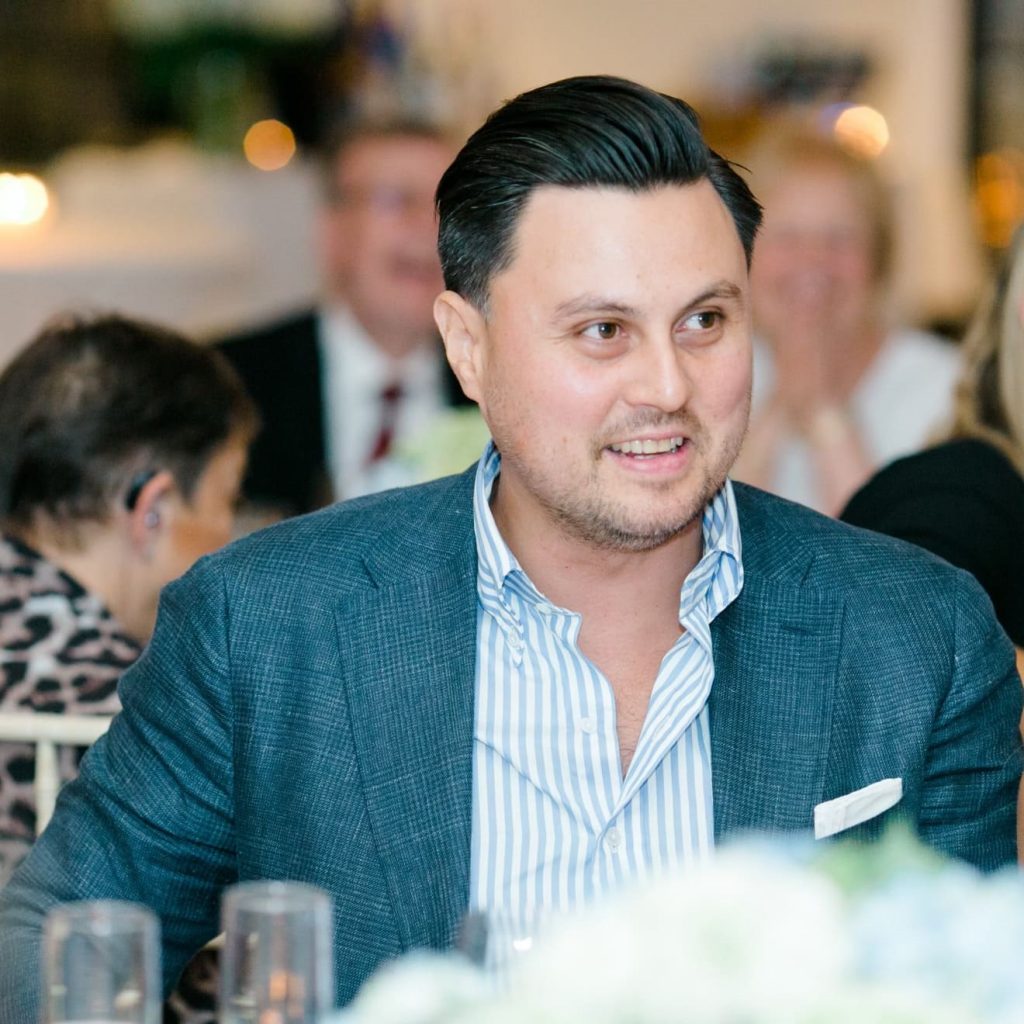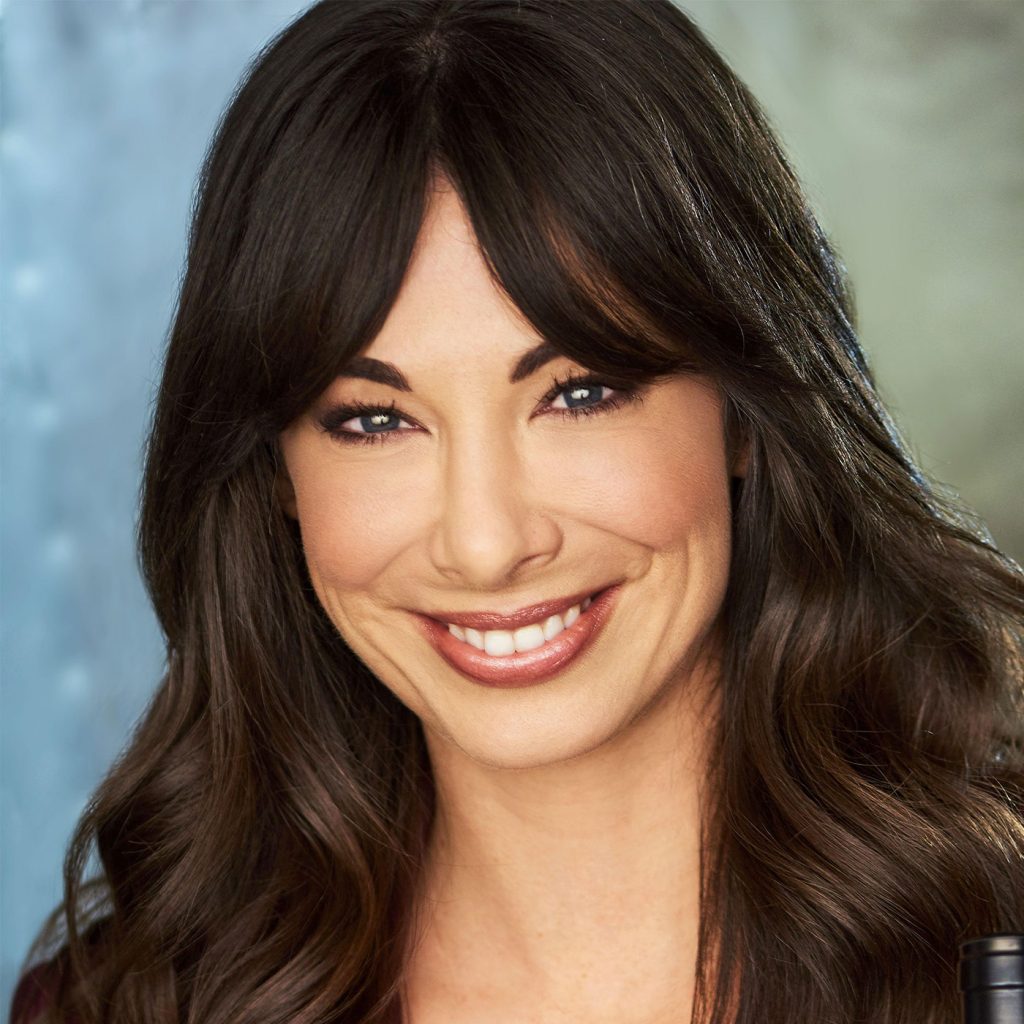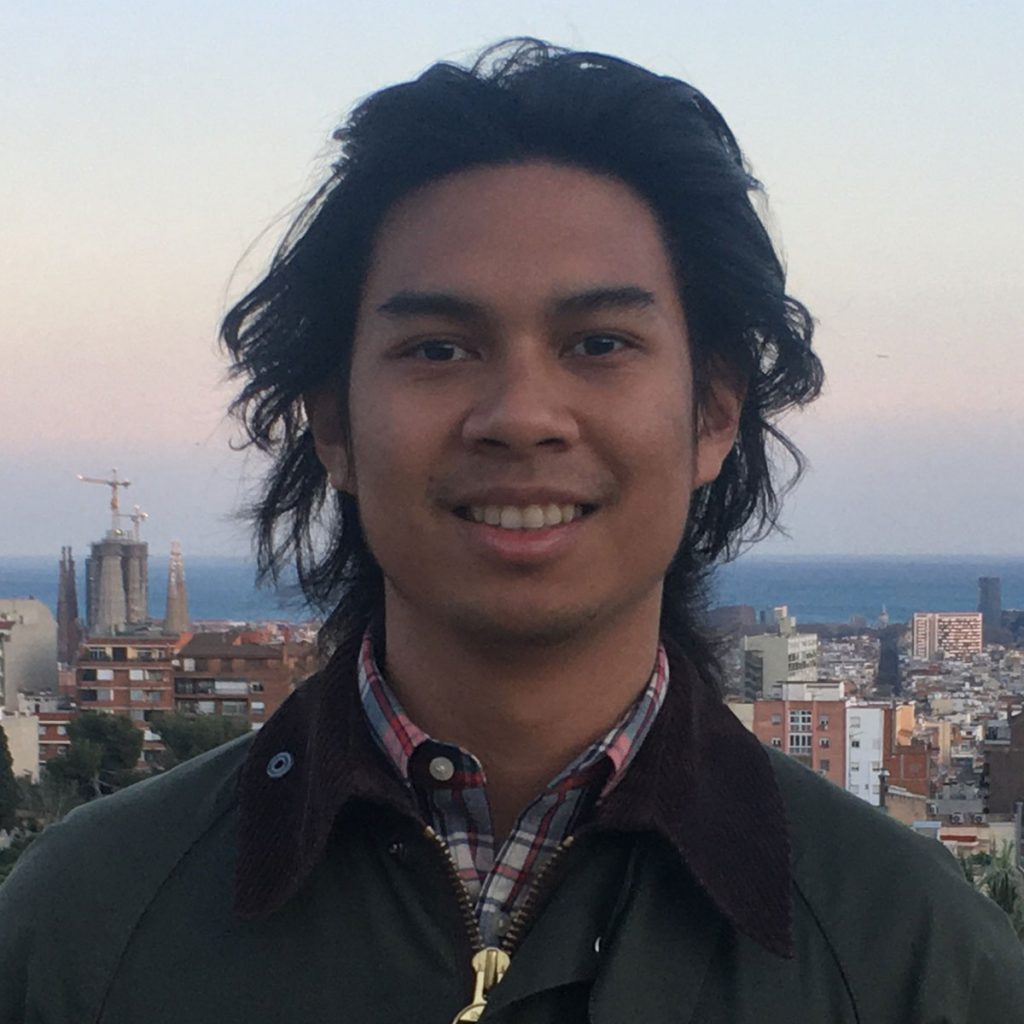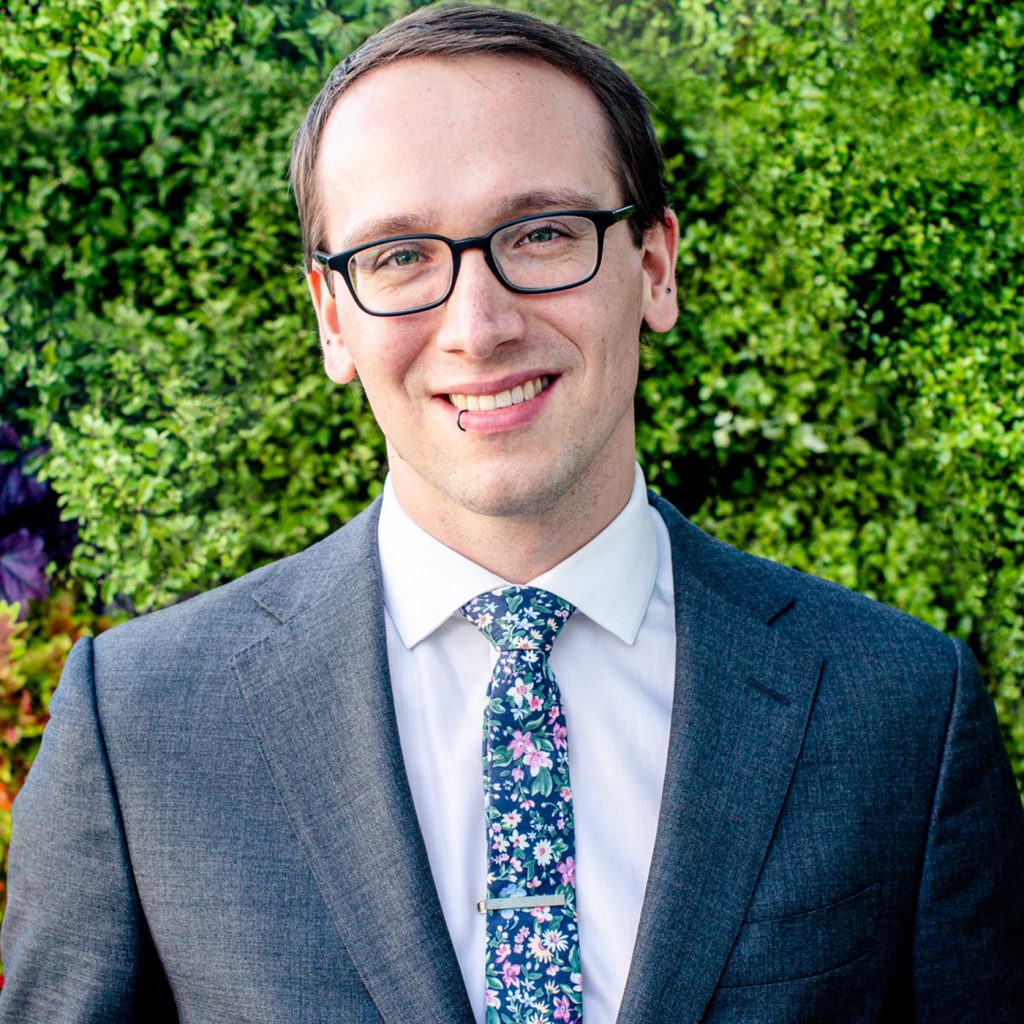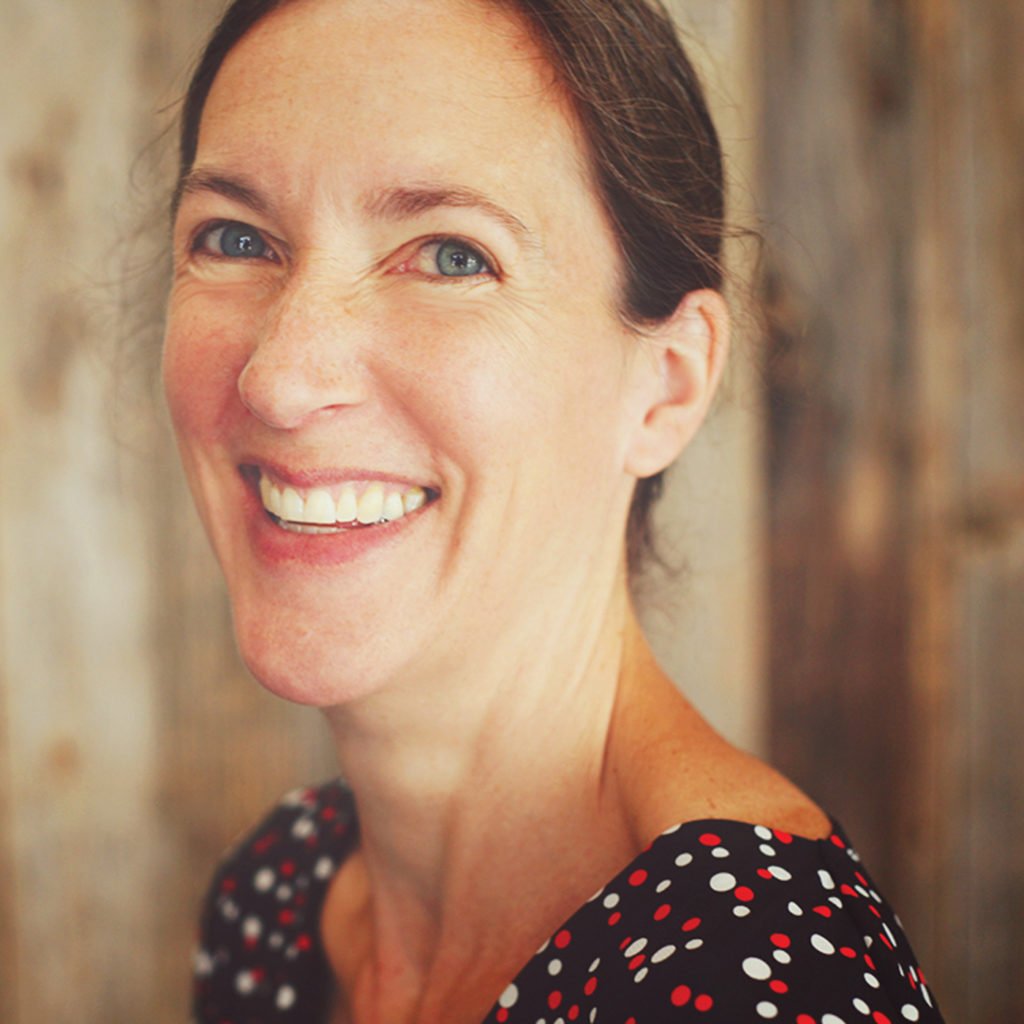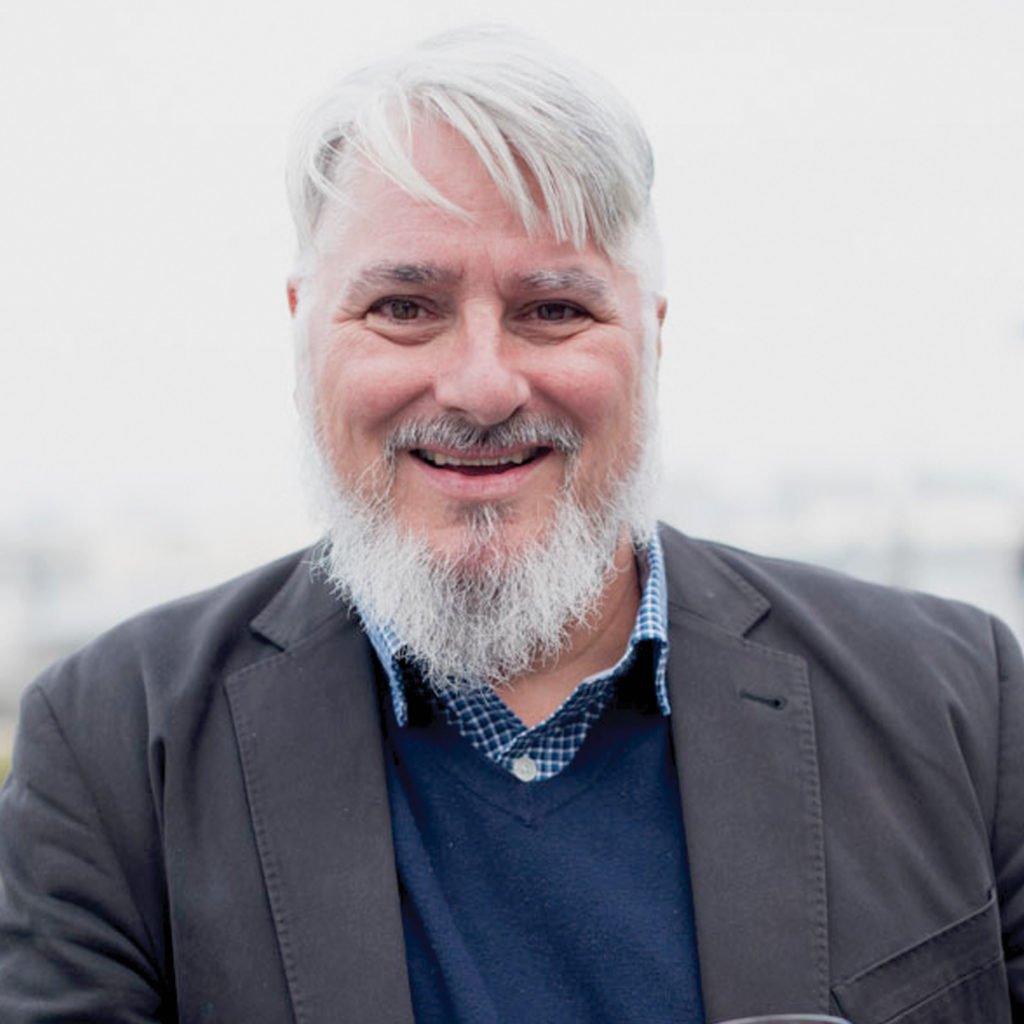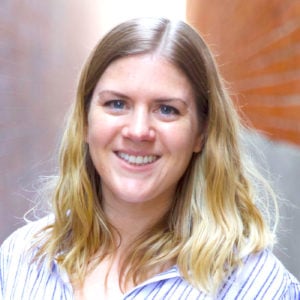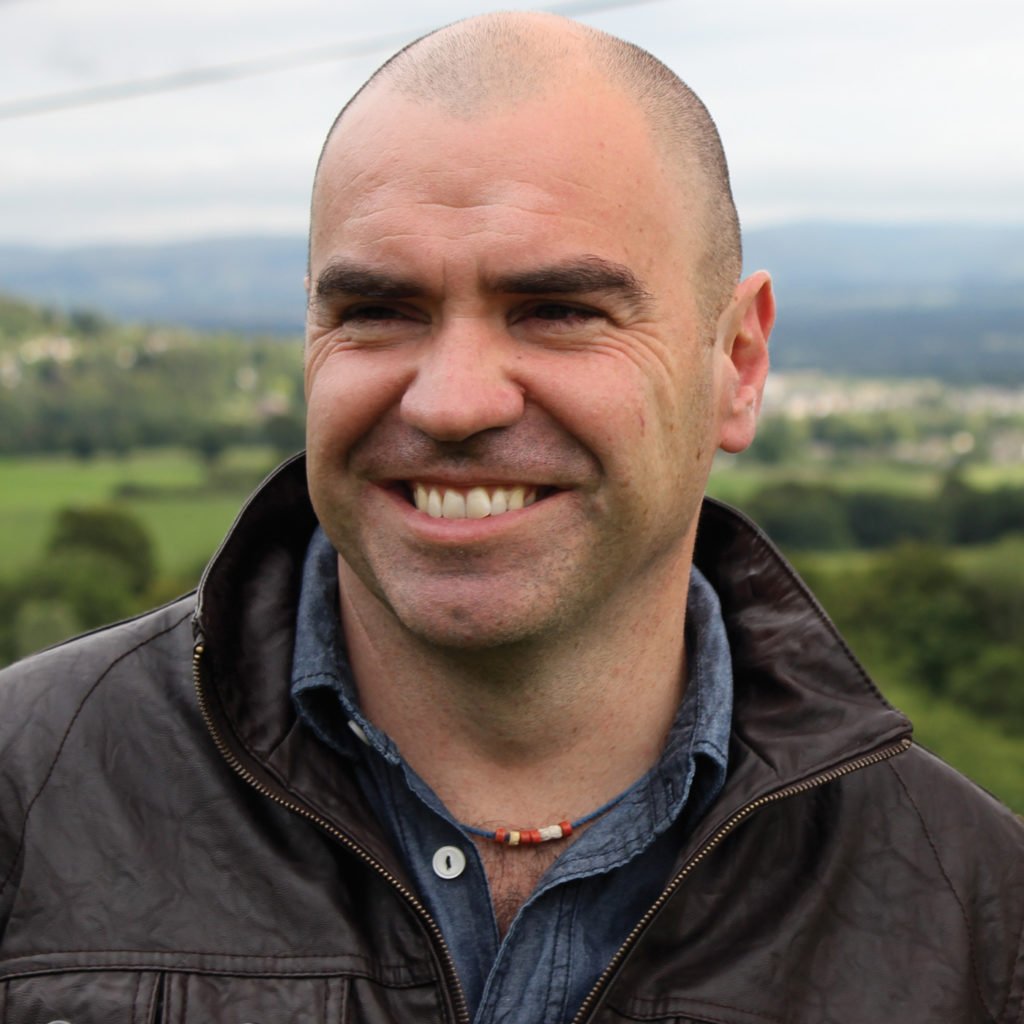
These seven sommeliers represent the best of the new guard working the floor of top restaurants across the US. Voted by their peers as the most motivated and energetic in their studies, the most thoughtful in their wine ordering and—most importantly—the most personable at tableside, these are the sommeliers you want to have pouring your wine. So make your reservations now at the tables of America’s Best New Sommeliers.
Allegra Angelo | Michy’s, Miami, FL
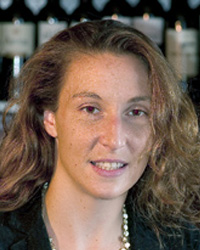
Age: 30
BYO
I love when people bring in their own wines. They’re usually something special that I don’t work with. There are two wines I can’t stop thinking about: a 1990 Clape Cornas and another brought in by this young kid, couldn’t have been older than 22. He came in with his girlfriend and a bottle of ‘04 d’Auvenay Meursault. After that night, I found a bottle online from this wine shop in Poughkeepsie (NY), and drank it on my birthday. I’ll probably do it for my next birthday, too.
Pairings in Miami
Besides trying to put more affordable wines on the list, I’ve been doing a few new tastings. They’re open to the public and they’re paired with art, film or music. It’s interesting to see people react to wine when it’s combined with other things they can relate to.
Shift drink
A cocktail called the Bee’s Knee: Beefeater Gin, honey and a little bit of lemon juice.
Thinking like an MS
I did my certified exam in ‘07. I would love to do the advanced, but I’m not in a rush. There are so many places I want to go instead; trips I want to take.
Down the road
It’s fun now, but I don’t want to be a somm for the rest of my life. I really like to write. I have this little side-project called thefriendlywinedictionary.com. I want to turn it into an interactive site where people can learn about wine, and then buy it.
Days off
On my day off, I usually catch up on work or get together with friends and do blind tastings. On better days off, I like to have dinner parties where everyone brings a dish and we say one bottle of wine, but it always ends up being three or four. We’ll always have themes—like food that pairs with riesling or wines that pair with uni.
Advice for future somms
The wine industry is growing, but the Internet makes it so small. On a wine trip I met Eugenio Jardim from Jardinière [in San Francisco]; we barely talked but stayed in touch through email. I dropped him a line when I went to California, and once there, we became great friends. Keeping in touch pays off ten-fold. Once you meet cool people in this industry, they tend to stick together like magnets. —Chris Halowell
Kelly Ford | Delmonico Steakhouse, Las Vegas, NV
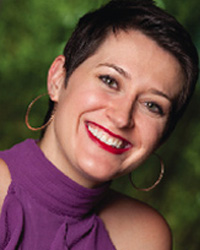
Age: 29
Language training
The most amazing skill I acquired while working abroad is the ability to read body language. Looking a stranger dead in the eye and acknowledging that you understand each other’s intention without necessarily verbalizing it is an essential skill set. As a sommelier, I read guests’ body language all the time.
Location, Location, Location
I understood a little more about a “sense of place” after my travels. Not just about wine, but history in wine—that it could be tied to a location.
MS profs
The reason that I’m in the wine business is because of my two professors, Darius Allyn and Robert Bigelow. They were amazing teachers—eloquent and knowledgeable—true experts in their field.
On the Web
If you’re on guildsomm.com everyday, you’re learning something everyday. They have interactive quizzes, and I use it to gather info for my study groups. Winebusiness.com and decanter.com are also essential websites to stay up-to-date in the wine world.
In the fridge
Schäfer-Fröhlich Bockenauer Felseneck Riesling. I love German rieslings—they’re extremely versatile.
After work
The 2006 Rockroom Pinot Noir from the Hein Vineyard in Anderson Valley. It’s made by young wine professionals out of Texas. They used to drive the grapes on dry ice back to Austin.
Favorite region
If I could only work with one wine, it would be Willamette Valley pinot noir. It’s a happy medium between the Old and New worlds and is so versatile—from fish to red meat. And even without food, it’s delicious.
Tea/sake
If I wasn’t a wine sommelier, I would want to be a tea or sake sommelier. After spending time in Asia, I became fascinated with loose-leaf tea and its delicate aromatics. And I love sake—it’s extremely complex aromatically and pairs beautifully with red meat, cheese and charcuterie. It’s another creative outlet for me. —Devon Magee
Garth Hodgdon | Bouchon, Yountville, CA
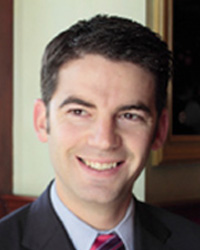
Age: 30
Notes from underground
Seventy percent of what you do is in the back in the dark, cold cellar or staring at a computer trying to figure out why your numbers aren’t matching up. You gotta love every little part of it—from touching the bottles to throwing the boxes in the recycling [bin] to being on the floor and selling that $1,000 bottle of wine.
Somm’s choice
Champagne. If you put me in a restaurant and give me a list and say pick anything you want, nine out of ten times it’s going to be Champagne. It’s the most versatile wine—it goes with fatty food, fried foods, fish….
Desert island wine
You’d want something cold and something that you could drink a lot of, like the Krug Grand Cuvée. It’s bright and cold and full of acid to keep you going.
Guest pairings
I’m just a conduit between the list and the guest. Sometimes you have to worry about wine and guest pairings, not just wine and food. Like, is he really going to like that grüner with that, or does he just want a zin from Lodi.
I think that everyone says I don’t like x because they haven’t had a good version of it. This guest didn’t think she liked chenin blanc, so I poured her the 2007 Gaston Huet Clos du Bourg Sec Vouvray. She ordered a bottle. It’s all about presenting the wine in a way that’s friendly and not scary.
Working the floor
Jimmy Hayes [associate beverage director for Thomas Keller Restaurant Group] taught me what it is to work in a restaurant. You have to find an equilibrium of being heady and witty on the floor. I’ve gotten really good at pouring left-handed.
Epiphany wine:
‘55 Cheval Blanc out of magnum. It changed my mind about what a special wine tastes like.
From Central Valley to Napa Valley
It’s really only about 80 miles, but it’s like another world. Napa is the epicenter of US winemaking and on the cutting edge of food. Restaurants in Sacramento either can’t afford a somm or have no real need for one. In Napa, you can’t afford not to have one, if not two or three, on staff. —Devon Magee
Dennis Kelly | The French Laundry, Yountville, CA
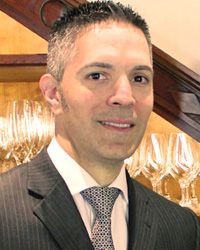
Age: 44
Out of Oregon
I talked my wife into a three-day trip to Napa and Sonoma. I had always wanted to go to The French Laundry, but when we got there it was all boarded up—they were closed for five-and-a-half months to open Per Se. I asked my wife, “Wouldn’t it be a really exciting thing if I could work there?” She said, “Let’s go for it.” While we were selling our house in Eugene, I applied for a floor manager position at Martini House to bolster my résumé. I got the job and commuted for the first two months from Eugene.
A restaurant career
Everywhere else I’ve worked, most of my co-workers used restaurant work as a way to make ends meet. They all wanted to be something else. The French Laundry is the first place I’ve worked where people really viewed it as a career.
Epiphany wine
The ‘85 E. Guigal La Mouline. A guest came in (to Martini House) and handed me the bottle and said with a wink, “Will you decant this for me and make sure it’s sound?” I opened it and smelled it, and I had never smelled anything like that before. I have tasted a lot of La La wines since then, but never the ‘85. I’m not sure if I want to. I don’t want to set myself up for disappointment.
In the fridge
Riesling. I think it’s a somm thing—we tend to like lower-alcohol wines. When I’m just relaxing, I don’t want to be beaten over the head with a high-alcohol wine.
After work
Newcastle Brown Ale
Mentors
Chris Blanchard, MS, was the first one to invite me into a high-end tasting group. It’s a group that Geoff Kruth, MS, joined when he was an advanced sommelier. He’s been incredibly generous about continuing to work with sommeliers since he passed his MS exam. Cameron Douglas, MS, is at the University of Auckland and always brings me New Zealand wines when he comes to the US.
One of the reasons I’ve aspired to become an MS is because I appreciate how generous they are. It’s something that I want to do someday for the people coming up under me.
Music & wine
People in both industries tend to be very outgoing and sociable. I think that somms are entertainers. We’re there to provide memorable experiences to guests just like musicians for fans.
Matt Mather | Frasca Food & Wine, Boulder, CO
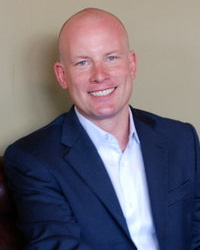
Age: 42
The lost art of listening
In terms of building a great rapport with guests, the long-forgotten skill is to ask the guest what their favorite wines are, then connect that to something you’re passionate about. You can’t have the “If I can just describe how much I like something, then the guest will like it, too” mentality. If they’re used to drinking Rombauer chard, they’re not going to like an obscure Mosel riesling.
Recession benefits
Having weathered fall ‘08 and spring ‘09, we’re back to selling high-end stuff. But I’m also really delighted to share something like a good, pure sangiovese with someone who had a New World palate, but might have had to explore elsewhere during tough times. Most are more willing now to let me take them somewhere new.
Geeking out In San Francisco
I worked with Lindsay Tusk (who now owns Quince) and Jim Rolston (who went on to be the somm at Cyrus in Healdsburg). We were all wine geeks and it was before the Internet was what it is now, so we had to geek-out in person. We’d bring stuff into the restaurant and taste, go to Kermit Lynch and wander around forever. Hanging out, talking about wine, making dinner and tasting it: all the things geeks do.
Favorite wines
Northern Rhônes were the first wines I became obsessed with. I really love riesling and great grüner. Now I work with a list that’s 85 percent Italian and I find myself selling a lot of nebbiolo. All things being equal in wine, I like really aromatic stuff.
Street smarts
I learn more if I’m tasting surrounded by other people, because everyone understands wine in a different way with a different perspective. What’s great about wine is the room for different opinions. I’ve learned the most from listening to my peers.—Chris Hallowell
Eric Railsback RN74, San Francisco, CA
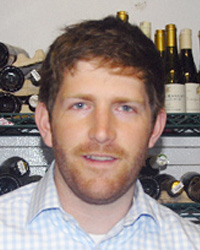
Age: 25
Winespeak
One reason I went to Austria was for the label pronunciation. The worst thing is to go to a table and not know how to pronounce the label.
Dujac ‘07
Every night at dinner, we did a blind tasting. We’d go into Jacques Seysses’s cellar and pull wines. His family had been trading wines with other producers since the ‘60s, so he had everything, from all over. The only thing we couldn’t pull was DRC and ‘61 Bordeaux.
The importance of being a cellar rat
It’s hard to understand wine from reading books. You get a better grasp being in the cellar, talking to the winemaker. If I’m not [at the restaurant], I’m in France or Austria, or going to tastings and wine events. I’m absorbed every day.
Raveneau
He’s been my favorite producer since I was 19. You can open these wines and see them transition from young and tight to complex in ten hours. I used to bring a wine of his in before work at The Wine Cask, decant it, shake it up and then try it after work. It can evolve and change so quickly.
After work
PBR and Hamm’s. After tasting wine all day, the last thing that I want to drink is wine. I want something refreshing. —Devon Magee
Mark Sayre | Trio at the Four Seasons, Austin, TX
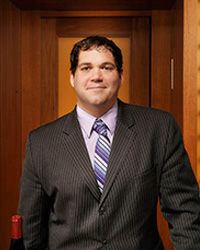
Age: 31
Book smarts
My first read, which I really stand by, is Kevin Zraly’s book [Windows on the World Complete Wine Course]. I’d recommend it to anyone. It’s so simple and well laid out.
Terroir
In this country, I think that there’s a real renaissance in seeking out wines of place. People are seeking out wines of specificity instead of sweetness and alcohol. We’re riding a wine wave, and as consumers develop their palates, sommeliers are becoming more important. It’s all lined up too perfectly: If I wanted to get into wine five years earlier there wouldn’t have been a spot for me.
Desert island wine
Champagne. I have no idea why it’s still considered a celebratory beverage; it should be an everything beverage.
Favorite beer
Full Moon Pale Rye Ale from Real Ale in Blanco (TX).
Advice to future somms
The greatest compliment ever is when someone says, “You don’t seem like a sommelier.” There’s a preconception that a somm is an old guy who’s out to gouge you. A somm should be about making diners more comfortable and enhancing their experience. And realize you’re never going to know everything; humility goes right along with making the diner feel more comfortable.
Looking ahead
I’m a syrah fanatic; I just blended my own in Washington. Down the line I feel that I could end up making wine….and I think it could start in Washington.
Drinking local
I don’t think the world should judge Texas on cab, chard or merlot. It’s Mediterranean varieties like tempranillo and sangiovese—and the American hybrids norton and lenoire—that are making some cool wines.
This story was featured in W&S October 2010.
This story appears in the print issue of October 2010.
Like what you read? Subscribe today.