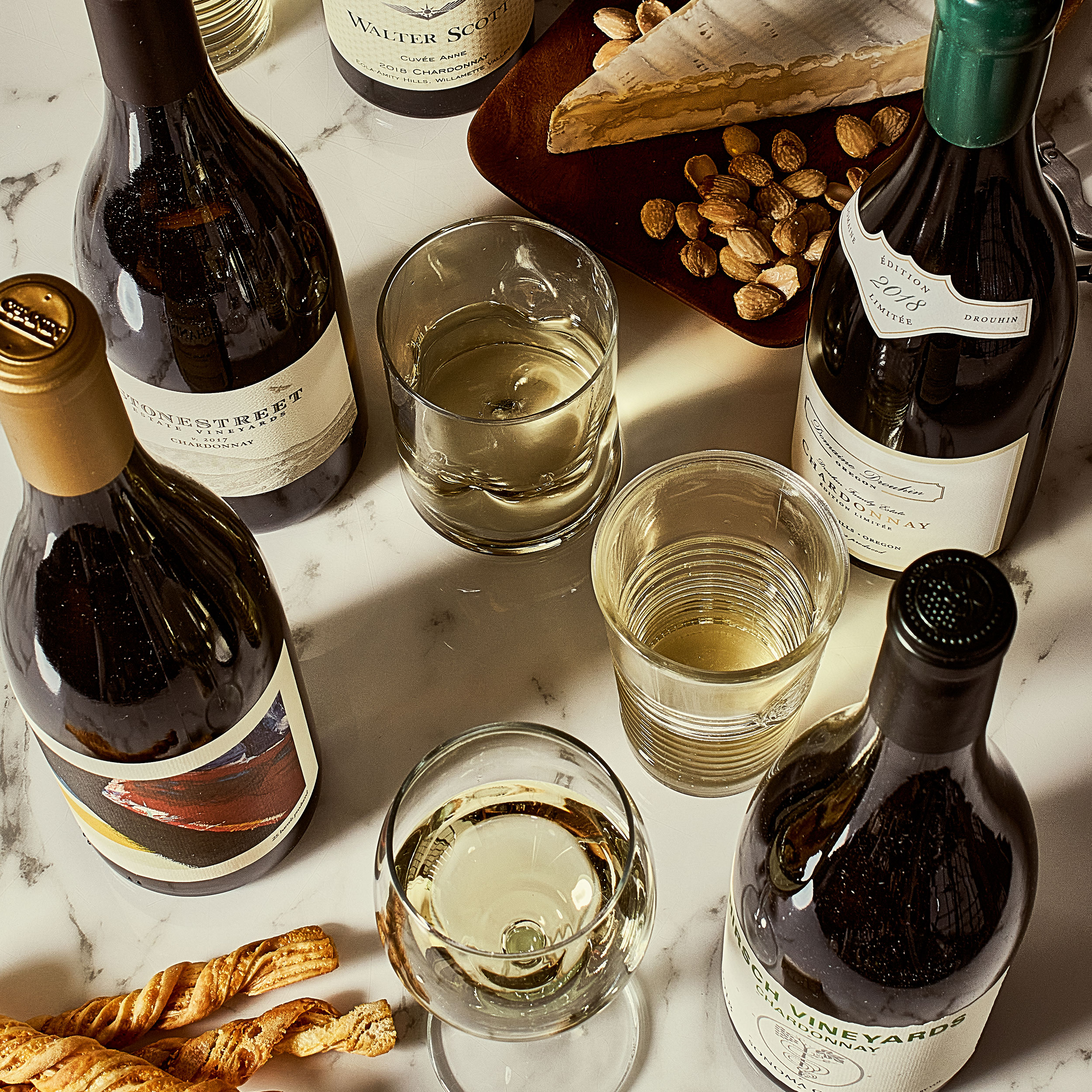
Thirty years ago, when we first started tracking wine in restaurants, chardonnay was the dominant force. At the time, it represented 44 percent of the most popular wines in America’s top dining rooms; now, it has retreated to 8 percent.
Sommeliers, once furiously stocking the big brands, now treat chardonnay as many of their contemporary patrons do—as a wine first, rather than a commodity. We hear heartfelt excitement about some Pacific-driven chardonnays from sommeliers and we set out to discover some of the wines that might be triggering that.
Since the pandemic has limited our face-to-face interactions over wine, we sent a diverse pack of top-scoring chardonnays from our tastings to a mix of sommeliers and asked for their impressions. Here are their stories about how chardonnay has captured their imaginations.
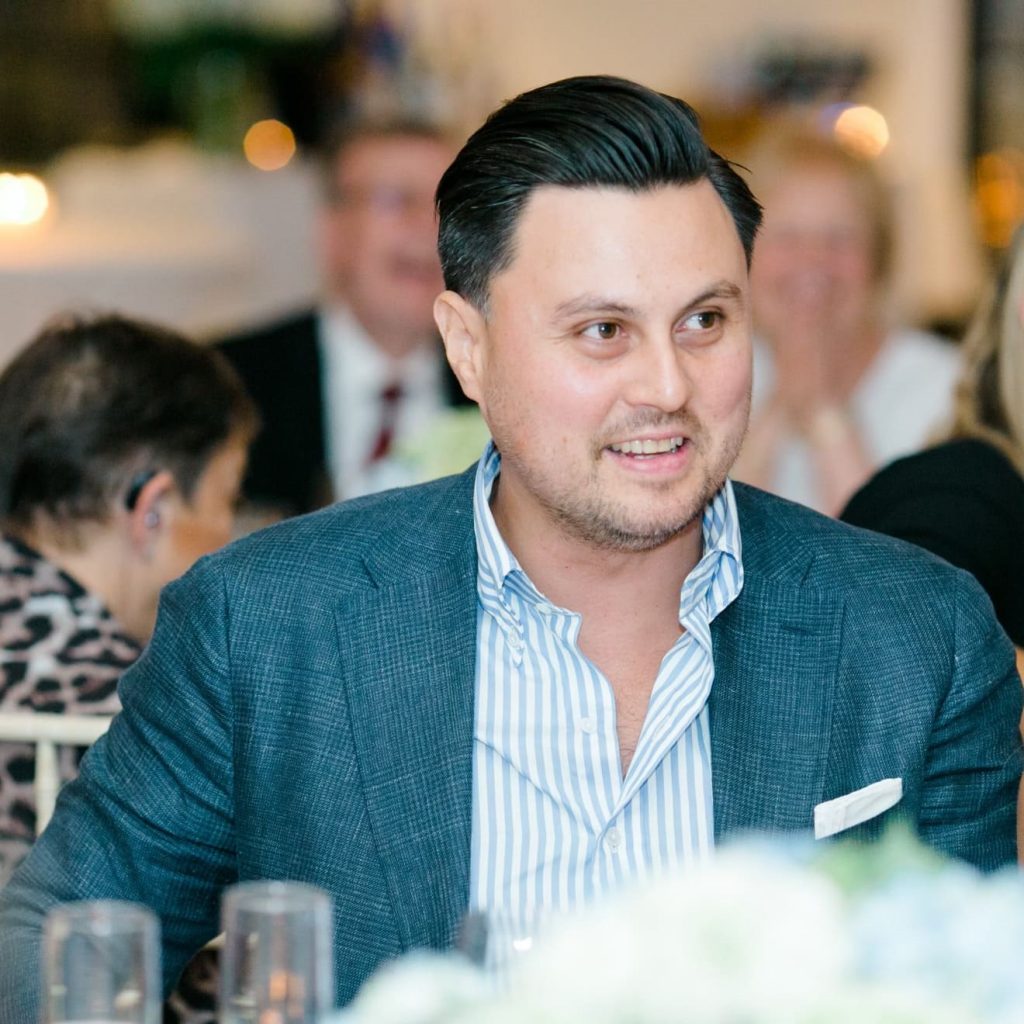
Tonya Pitts
In San Francisco, at One Market
Our offices were in the San Francisco Bay Area for more than three decades before we decamped to Los Angeles in 2018. One of our most insightful tasters at our SF office was Tonya Pitts, whom we are also proud to feature in this issue among the trailblazers in our coverage of Rising Black Voices in Wine.
We sent Pitts six California chardonnays from our tastings for this issue, wines we found compelling for their regional expression, or their distinctive taste of an individual site. Then we spoke with Pitts about the wines, which one she found most compelling, and why. —J.G.
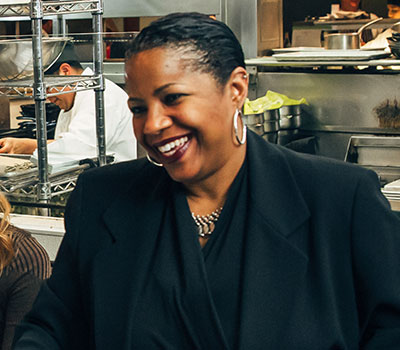
The first time I had chardonnay I was not a sommelier yet. I was still in college, in St. Louis, working at a French restaurant. I wasn’t allowed to drink; I was smelling before I was tasting. That first chardonnay was a Chablis. Because of the brightness, it seemed like it would be quite refreshing. I remember smelling the wine and several years later tasting the high acidity and minerality in a Chablis. California chardonnay for me was just richer and fuller, more a wine I would have with a meal. And that’s how I would sell it, with a rich dish.
Fast-forward to moving to California: I realized that depending on what AVA the chardonnay came from, the signature was different: There was a ribbon and a string flowing through, a similarity that you find in productions from a certain place, and from specific vineyard sites—the wines can become more interesting and complex.
There was a time [at One Market] when I had three pages of chardonnay, from California, Washington and Oregon, and the majority was from California. But the thing was, they weren’t all current releases. I had library wines. Chardonnay is one of those wines that people don’t think about drinking with age. They think about it with Burgundy, but not with California. Depending on the producer and the AVA, there are some chardonnays that can hang out and get better for twenty or thirty years.
There are four components to what’s going on the list at One Market. One: wines I like that I think would be interesting and captivating to the guests. Two: the perspective of the guest. Three: having old favorites. And four: the perspective of the chef, the wines that Chef likes, that work with what comes out of the kitchen. Which is why, now, I have one page of chardonnay. Everything is much more seasonal now. The wines have to work with what’s coming out of the kitchen seasonally.
CHANIN 2018 SANTA BARBARA COUNTY LOS ALAMOS VINEYARD CHARDONNAY
The first thing that hit me [when I smelled it, blind], there were floral notes and citrus, almost candied citrus. And there was some heat and earth. When I tasted it, I found red-apple skin, sugared orange slices, definite salinity—more of the ocean—and more earth present as well. The fruit is not sweet, just really fresh. It makes you think of sunshine, really bright. It’s quaffable on its own, or with some Charentais melon and prosciutto, some fat and some fruit. A papaya salad. A piece of simple grilled or sautéed white fish. Right now, what I’m envisioning are sand dabs, a little brown butter. That wine is delicious, mouthwatering, hanging out on my palate. It makes me want another sip.
[Later, once the identity of the wine was revealed.] I was one of the first people to buy Gavin Chanin’s wine and put it on a list when he was still a kid, when he was still working at Au Bon Climat and Qupé. I was introduced to him by John Hulihan, who was my boss at One Market. He knew Gavin, and before inviting Gavin to show his wines, John looked at me and said, “You’re really going to like these.” We tasted through and my mind was blown. Gavin hadn’t shown them to anyone else; they weren’t in San Francisco yet. I like his chardonnay. It’s not heavy-handed; it’s all about the site and the fruit.
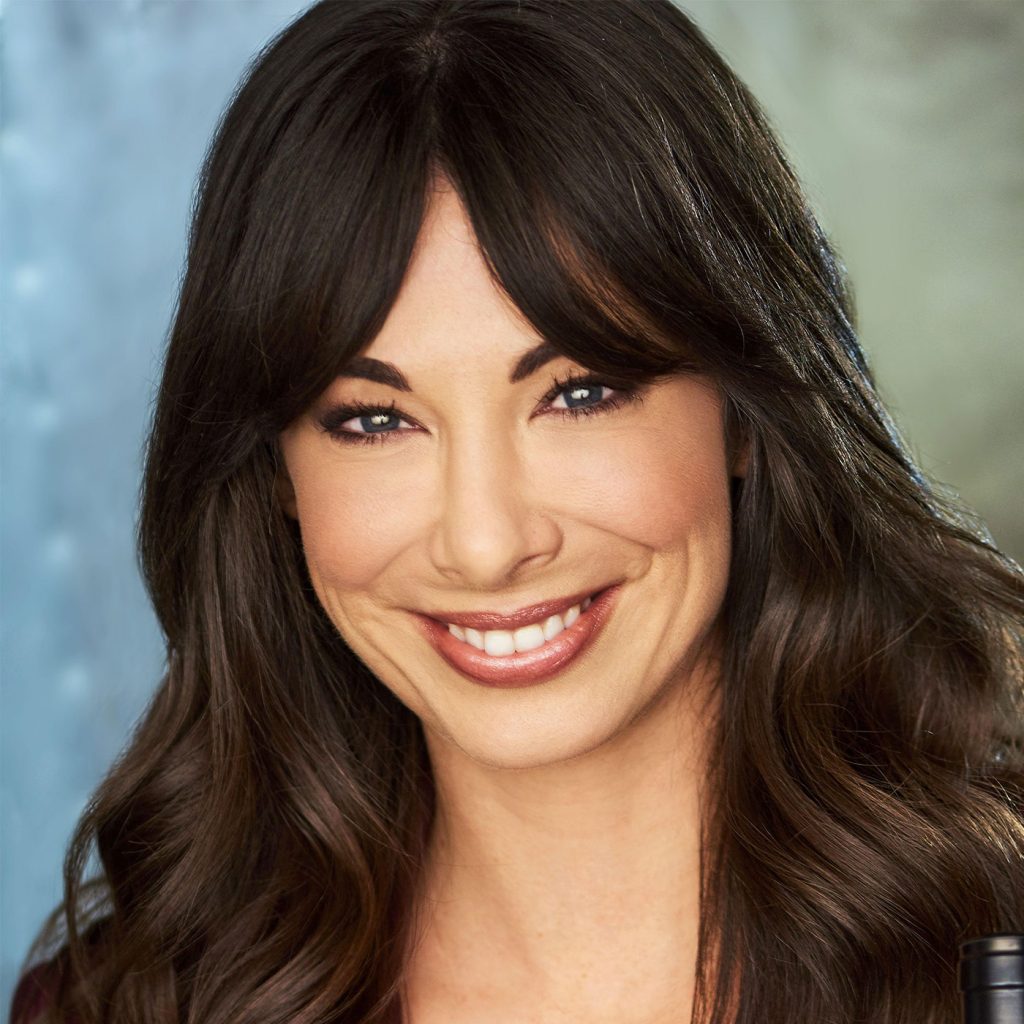
Nathaniel Muñoz
In Los Angeles, at Bar Avalon
Nathaniel Muñoz moved from Aubergine in Carmel, California to Venice Beach in 2015, where he joined the Rose Café and Market as a wine director. As a recent émigré from the north, he was one of the first sommeliers to welcome us and join our tasting panels when we moved from San Francisco to Los Angeles. He was busy opening Bar Avalon, in the up-and-coming neighborhood of Echo Park, as well as its sibling, Eve Bottle Shop. At both, the chardonnay on the list more likely would be a Chablis or a Jura wine with a natural bent than one of its California cousins. In fact, Chablis became a theme in our discussions with sommeliers and, especially, with Nathaniel, as he gave us his personal perspective on chardonnay. —J.G.
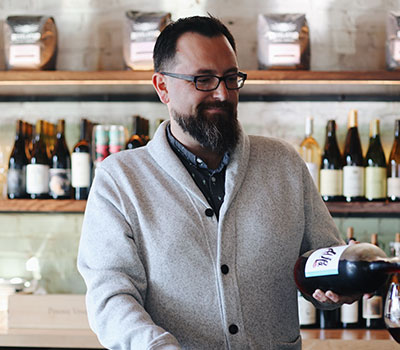
I had a moment just a few years back on a road trip, tasting a chardonnay made by John and Phoebe Raytek of Ceritas, from their Porter Bass Vineyard on the Sonoma Coast. [Tasting that wine at their vineyard,] I began to understand just how delicate chardonnay could be in California. Beautifully fresh green apple, bright lemon zest and faint ideas of sea air and calcareous stones. A striking coolness. That vineyard is almost drenched in fog—and the wine is John and Phoebe’s attempt to not get in the way, to express how cool those chardonnays can be. No oak, no stirring.
Most of the time, chardonnay in California only gains its structure when you oak it or try to press it hard. Even in Chablis, oak is a part of the recipe: the most powerful and most resonant expressions of chardonnay in Chablis are those that have oak. The Porter Bass wine shows you how insanely great a stainless-steel chardonnay can be from Sonoma—it has this effusive structure; it’s not an anemic drink.
Chardonnay has always been a bit of a mystery. It’s revered as a noble grape and has a graceful ability to echo nature and nurture. And it continues to have that same fundamental ability, especially in California.
HIRSCH 2018 FORT ROSS–SEAVIEW ESTATE CHARDONNAY
This wine seemed to stay true to nature and kept a welcome harmony. It harnessed oak well and still offered drinkability: The oak is a joyful expression in the wine. But the wine is not all about oak. Each time I approach the glass, it reminds me of sunny California chardonnay. There’s a golden character to the wine, whether it’s aromatic, or color or palate. This has the truest sense of starch—in so many ways chardonnay and corn have a true affinity. This is the one wine that reminds me of corn silk, ripe corn, the smoothness of corn.
This is American wine in all its frontier-driven scope. We continue to be the outsiders. I love that American wine has achieved such notoriety and fame and attention and price, but there’s still a great respect for European reference points. Chablis may well be my reference point: The clarity of the fruit, precision of structure and elegance of complexity really tell the story of reference-point chardonnay.
Two years ago, for an anniversary with Kelly [my girlfriend], we got the corner table at Fishing with Dynamite in Manhattan Beach. I handed Kelly the full wine list and asked her to see if anything popped out. Almost immediately, she chimed, “Oh, Patrick Piuze—we went there!” I snatched the list from her in excitement and to my humor and unbeknownst to her, she had somehow found the most expensive bottle on the list. The 2014 [Chablis Grand Cru] Les Preuses made its way to the table: The energy of the wine kept us salivating for another oyster or perfectly steamed shrimp. It was also attuned to lobster rolls and a fried-crab sandwich.
If we were drawing a vector from California chardonnay to Chablis, what better example to use than Patrick Piuze, a Canadian-American, using his preference of palate to push the terroir of Chablis to match his ideas of chardonnay. Not to say that Chablis is the goal , nor should we ignore how great the Hirsch wine is as Hirsch. I am not a Francophile in any regard. I just see a model for how I have interacted with and experienced chardonnay that feels most transparent.
This is a chardonnay question; it’s not necessarily a Chablis question, or a California question: What are we trying to achieve through chardonnay? It makes sense that an outsider like Patrick Piuze would be able to achieve that connection for me as a sommelier from California.
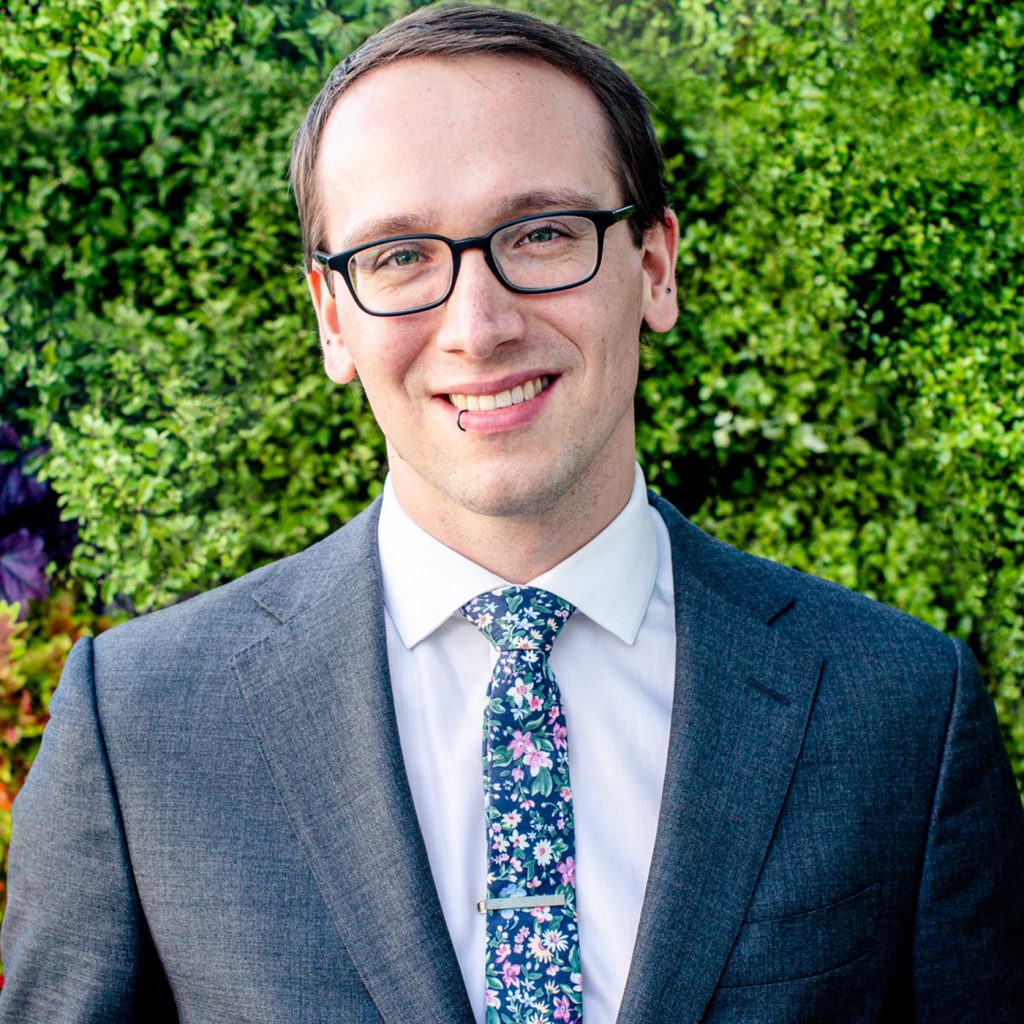
Andrew Fortgang
In Portland, at Le Pigeon
Andrew Fortgang was born and raised in New York, and came up through some of that town’s most storied restaurants, most notably Gramercy Tavern, Aureole, Jean-Georges and Craft.
It was at Gramercy Tavern that Fortgang first encountered some of the world’s great wines, including white Burgundy. Asked what his favorite chardonnay was in that period he said, “Well, I worked with Paul Grieco, who would rephrase the question to go something like ‘Which of these rieslings is your favorite chardonnay?’”
Fortgang ended up in Portland and, with Gabriel Rucker, has started a number of groundbreaking restaurants starting with Le Pigeon, in 2006. At Le Pigeon and, later, for the wine bar Canard, Fortgang has built wine programs that, where chardonnay is concerned, combine local offerings with a thoughtful Burgundy selection. —P.J.C.
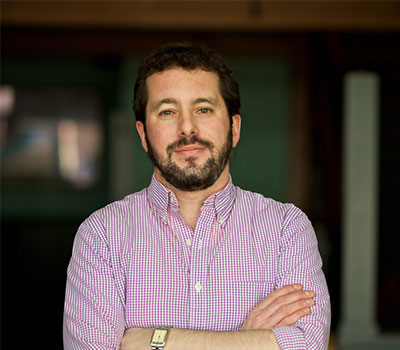
The first chardonnay that really turned my head was a Chablis, Raveneau’s Blanchot Grand Cru, a wine from the late ’90s. This was in Las Vegas, in about 2004, at Craft Steakhouse.
That was my benchmark wine. I had to recalibrate everything I knew about the potential of chardonnay—which is the whole point of a benchmark. I remember tasting it and thinking ‘Holy shit! If this is what can be done, if other chardonnays in the world could be one third as interesting, or as good, they would be amazing.’ It sent me onto the Chablis train, and the rest of Burgundy followed.
Of course, right now, Oregon chardonnay is really happening. Portland diners come to Le Pigeon for chardonnay, not necessarily to drink Oregon wine; they know that we’re always going to have a really interesting selection of wines for that mid- to fuller-weight category, whether it’s some cool Etna Bianco or our succinct selection of Burgundy.
(Fortgang tasted four wines blind, including one from his cellar. He found two to be more traditional, more fruit-andspice forward. And he found two to be more restrained, less stylized, letting the terroir show through. He chose to focus on the Lingua Franca. —P.J.C.)
2018 LINGUA FRANCA EOLA AMITY HILLS ESTATE CHARDONNAY
I was very impressed with the Lingua Franca right out of the gate, though you wouldn’t believe it from my first note (“Nose is subtle, not lacking, just subtle.”) But it was just so fine, so integrated. I’m always struck when my first tasting note is not a flavor; my first tasting note for that wine was “subtle.” It wasn’t easy to read at first, but there was a wet-stone minerality, a lot of acid, not fat, not oily, but broad, and a long, long, long stony finish. There was a lot going on and it said a lot about how well made the wine is, and how precocious that site is; there’s a lot of potential there.
None of the wines brought me back to Chablis, nor should they. Chablis is Chablis. But as Chablis represents, in our minds, terroir-driven chardonnay, then a resounding “Yes!” They do have a connection. There are some great American chardonnays in California that truly speak of place: I think the fundamental question when it comes to chardonnay is, does the style obscure the terroir, or does it highlight the terroir?
I opened a bottle of David Ramey’s Hyde Vineyard Chardonnay this spring and it’s an amazing wine, unquestionably a wine of place, in terms of that Carneros ripeness of fruit with lively apple acidity. It speaks to Carneros in its balance and brightness, while showing off the warm California sun.
Or, in the Dundee Hills, you have Cameron’s Clos Electrique, which shows a warmer terroir (than Larry Stone’s estate vineyard) through the prism of a vast clonal selection; you get great tension and power, with more ripeness of fruit. The Lingua Franca is more subtle, but subtlety doesn’t make something better.
Some try too hard; some of the extreme versions are so austere, it’s as if a volcano and a lemon had a baby. But it’s certainly an interesting direction to go. Some haven’t given up on the reliance on too much oak, but that’s a choice, too, I guess.
It’s really no different than in Burgundy. It is the balance of the place, the grape and the choices of the vigneron that make a wine a success, that let the terroir shine and, perhaps, amplify it.
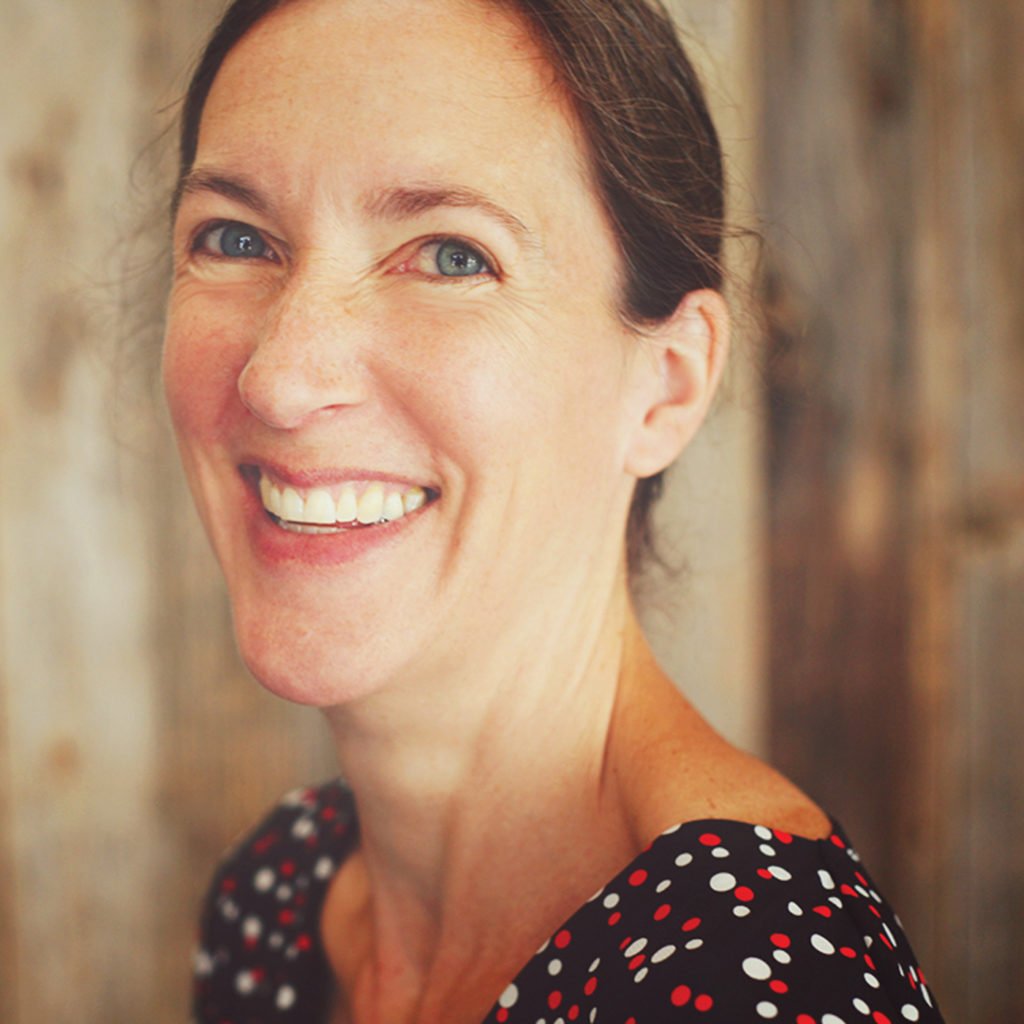
Joshua Greene is the editor and publisher of Wine & Spirits magazine.

Patrick J. Comiskey covers US wines for Wine & Spirits magazine, focusing on the Pacific Northwest, California’s Central Coast and New York’s Finger Lakes.
This story appears in the print issue
of October 2020.
Like what you read? Subscribe
today.